Jakob Butler · 21 September 2026
The Integration of Capewool into Advanced Soundproofing Panels for Recording Studios and Concert Halls
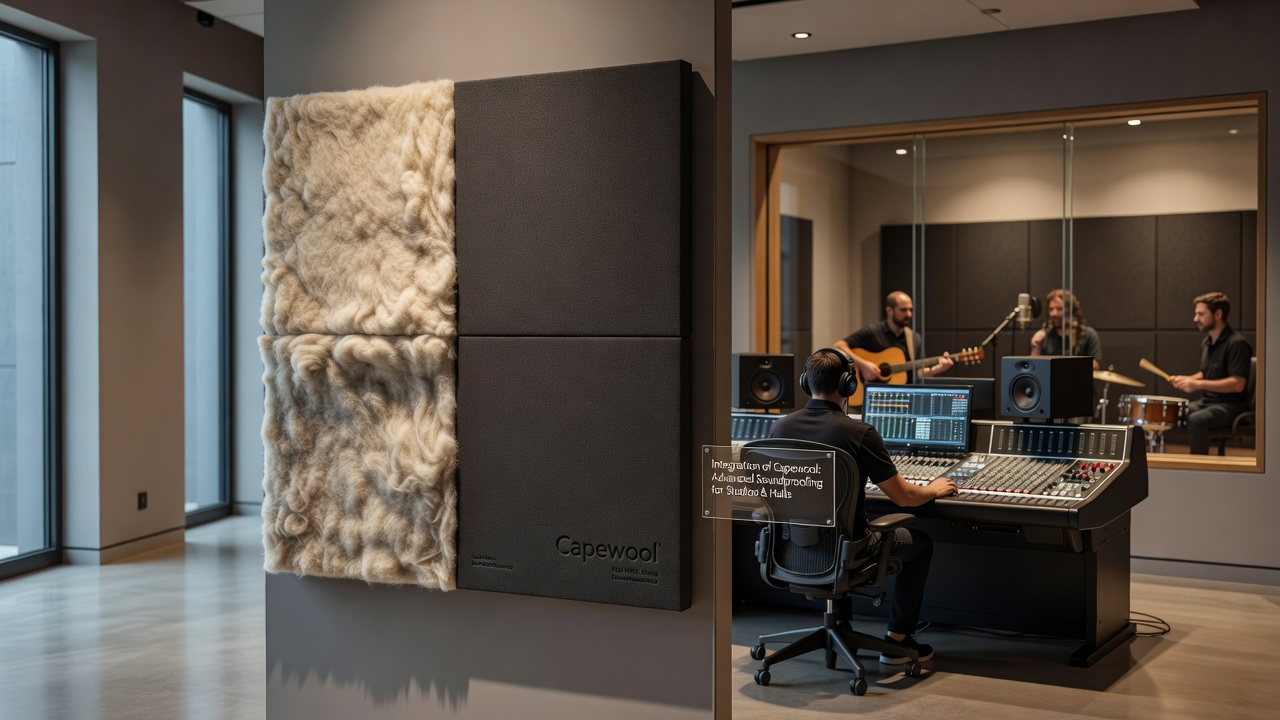
Capewool, sourced primarily from sheep raised in the arid regions of South Africa, features a crimped fiber structure that contributes to its density and resilience, qualities that support its use in acoustic applications, and manufacturers have begun incorporating this material into composite panels designed for high-performance sound control in professional audio spaces.
Material Properties and Acoustic Performance
Research indicates that Capewool possesses a high air permeability rate combined with natural moisture resistance, which allows panels made from it to maintain structural integrity over extended periods while absorbing sound waves across a broad frequency spectrum, and studies from material science laboratories have quantified its noise reduction coefficient at levels that compete with synthetic alternatives in controlled tests.
Engineers combine Capewool with mineral wool cores and perforated metal facings to create panels that address both low-frequency rumble and high-frequency reflections, while the wool's inherent antimicrobial properties reduce the risk of mold growth in humid studio environments, and data from installation reports show consistent performance metrics after several years of continuous use.
Manufacturing and Installation Techniques
Production processes involve cleaning, carding, and compressing Capewool into batts before bonding them with eco-friendly resins to rigid backing boards, and this method produces panels that fit standard framing systems in recording studios and concert halls, yet installers note that the material's flexibility requires careful handling during transport to avoid compression damage.
Acoustic consultants integrate these panels into wall cavities and ceiling systems using modular mounting hardware that permits easy replacement, and field measurements from completed projects demonstrate measurable reductions in reverberation times, particularly in rooms with hard surfaces where traditional foam treatments fall short.
Applications in Recording Studios
Studio designers in urban centers have specified Capewool-based panels for vocal booths and control rooms because the material absorbs mid-range frequencies effectively without introducing unwanted coloration to recorded signals, and one facility completed in early 2025 reported improved isolation between live rooms and mixing areas after switching from fiberglass solutions.
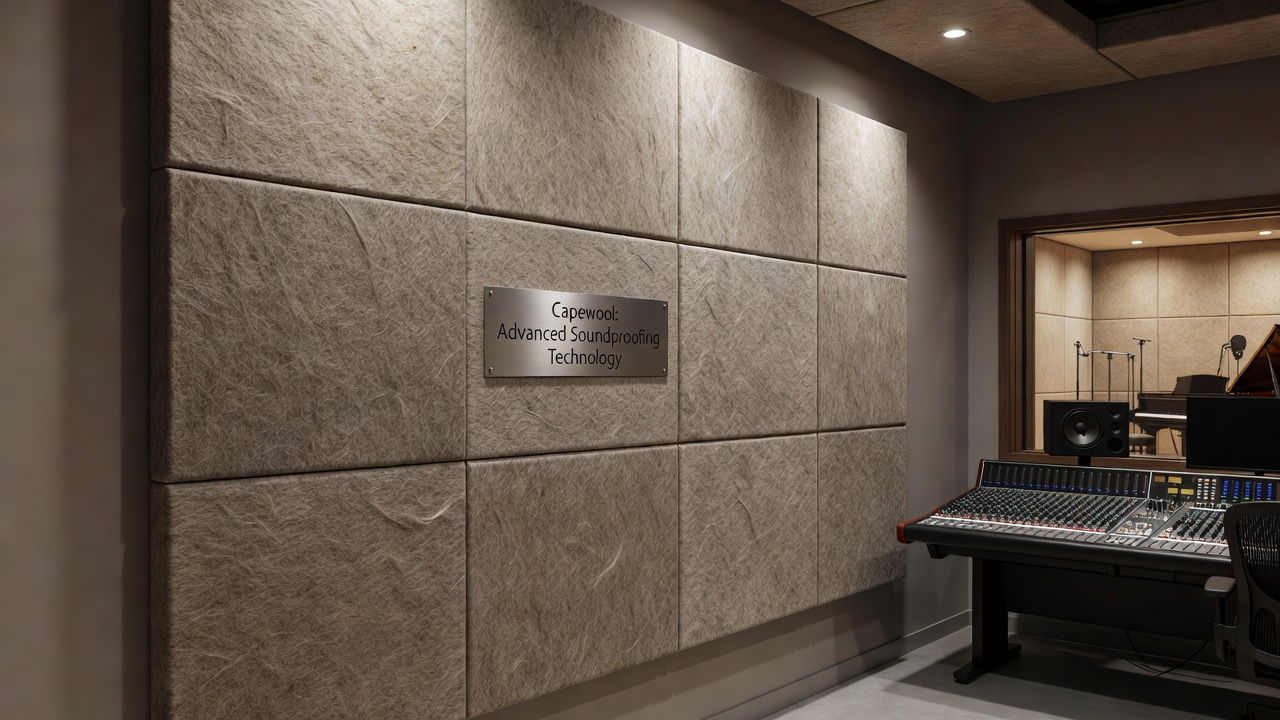
Technicians working on multi-track sessions observe that these panels help maintain consistent humidity levels, which protects sensitive equipment while contributing to overall sound clarity, and ongoing monitoring in several facilities shows stable acoustic performance through seasonal temperature shifts.
Use in Concert Hall Design
Architects working on large performance venues incorporate Capewool panels into variable acoustic systems that adjust for different musical genres, and reports from European venues indicate successful deployment in side walls and balcony fronts where audience seating creates complex reflection patterns, with data collected during test concerts confirming enhanced clarity for orchestral works.
Building codes in several countries now reference updated standards for sustainable acoustic materials, and Capewool panels meet criteria set by organizations such as the International Organization for Standardization for fire resistance and low volatile organic compound emissions, which supports their approval in public assembly spaces.
Recent Developments and September 2026 Outlook
Industry conferences scheduled for September 2026 will feature presentations on hybrid Capewool composites that include recycled content, and preliminary findings shared by research teams at institutions in Australia and Canada suggest further improvements in broadband absorption when the wool is blended with cellulose fibers, while pilot installations continue to gather longitudinal performance data.
Supply chain analyses reveal that increased demand has prompted expanded processing capacity in South African mills, and export figures from the past two years show a steady rise in shipments destined for North American and Asian audio facilities, according to trade statistics compiled by regional agricultural boards.
Conclusion
The integration of Capewool into soundproofing panels represents a convergence of natural fiber science and modern acoustic engineering, with documented applications in both intimate recording environments and expansive concert halls demonstrating reliable sound control outcomes, and continued refinement of manufacturing techniques positions the material for broader adoption as venues seek durable, sustainable alternatives to synthetic options.