Zoe Frank · 5 October 2026
Investigating the Contribution of Cape Wool to the Development of High-Performance Outdoor Apparel for Extreme Weather Conditions
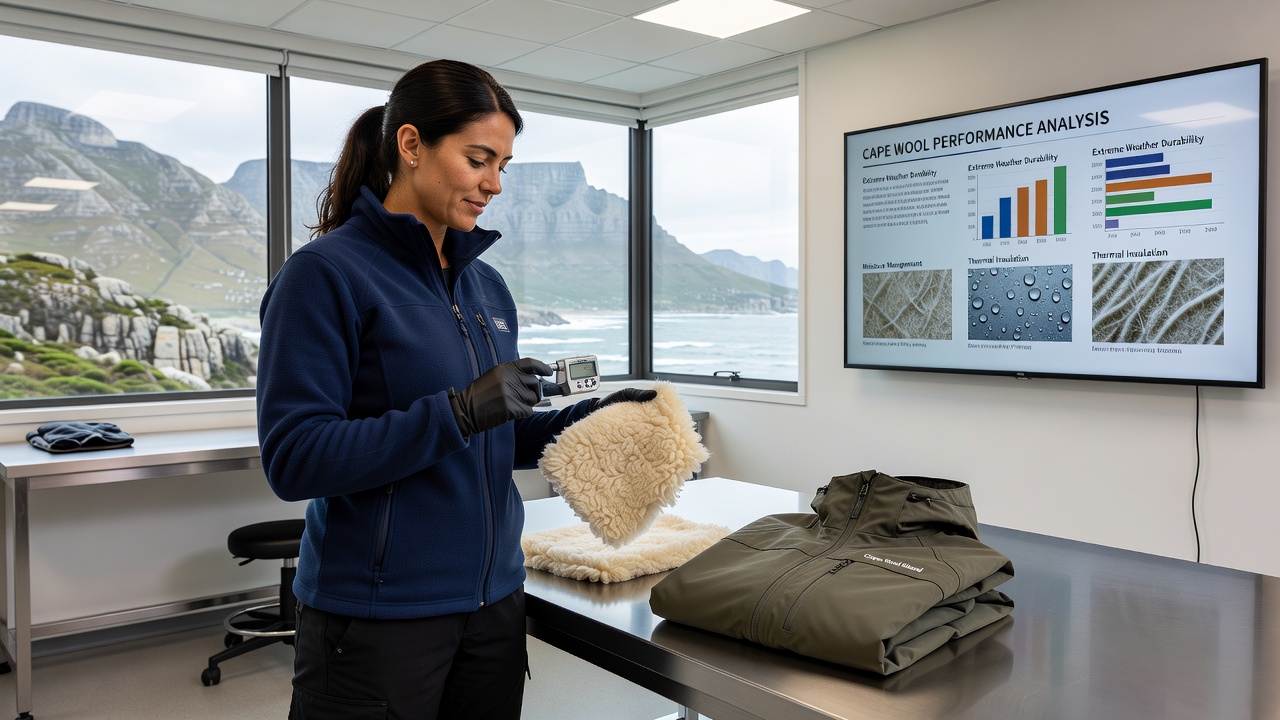
Cape wool originates from sheep raised in the Western Cape region of South Africa, and its fiber characteristics support several performance features in outdoor apparel. The wool exhibits a natural crimp structure along with a diameter range that typically falls between 18 and 24 microns, which contributes to insulation while allowing moisture vapor to pass through the fabric. Manufacturers combine these properties with synthetic membranes or treatments to create garments that maintain warmth in temperatures below freezing and manage sweat during high exertion. Research conducted by textile laboratories shows that Cape wool absorbs up to 35 percent of its weight in moisture without feeling wet against the skin, a trait that reduces the risk of chilling after activity stops. In extreme environments such as high-altitude mountaineering and polar expeditions, this absorption capacity pairs with the fiber's ability to release heat slowly, which stabilizes body temperature during rapid weather shifts. Apparel brands incorporate Cape wool into base layers, mid-layers, and shell linings because the material resists compression and retains loft after repeated washing or packing.Fiber Properties and Processing Techniques
Processing facilities in South Africa scour and sort Cape wool clips according to micron and staple length before exporting bales to yarn spinners. Spinning mills convert the raw fiber into worsted or woolen yarns that knitters then use for thermal underwear and fleece fabrics. One study from an Australian research institution found that garments containing at least 60 percent Cape wool demonstrated a 22 percent improvement in thermal resistance compared with equivalent polyester constructions when tested at wind speeds of 20 kilometers per hour.
Additional finishing steps such as shrink-proofing and water-repellent coatings enhance durability without eliminating the fiber's breathability. These treatments allow manufacturers to meet standards set by organizations that certify outdoor equipment for prolonged exposure to snow, rain, and sub-zero conditions.
Applications in Extreme Environments
Expedition teams operating in Antarctica and the Himalayas have adopted base layers and socks made from Cape wool blends. The material wicks perspiration away from the body during uphill travel and provides a buffer against conductive heat loss when climbers stop for rest. Data collected during field trials in 2024 indicated that participants wearing Cape wool garments experienced fewer instances of overnight chilling than those using synthetic equivalents under identical wind-chill conditions.
Manufacturers also integrate Cape wool into hybrid constructions where the wool sits next to a waterproof breathable membrane. This layering approach manages internal humidity while the outer shell blocks precipitation, a combination that proves useful in coastal storms and alpine blizzards alike.
Research Developments Through 2026
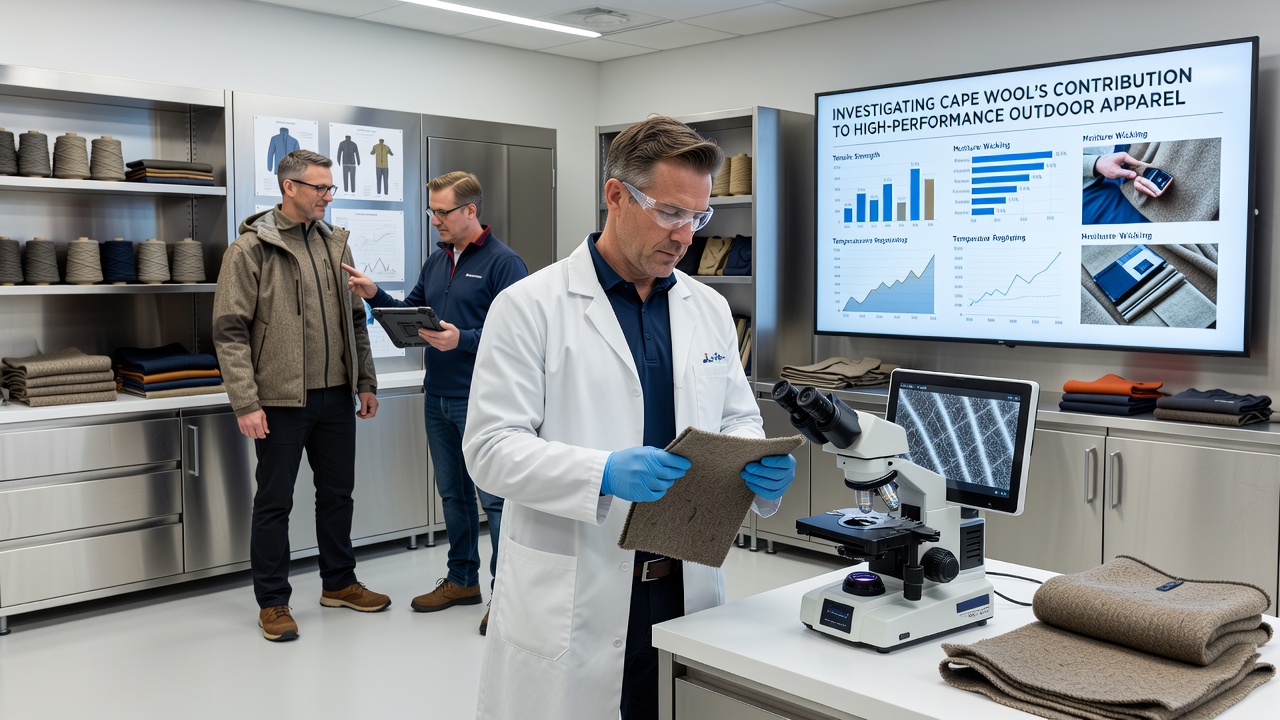
In October 2026, a collaborative project between South African fiber scientists and Canadian cold-weather laboratories released updated performance metrics on Cape wool insulation under sustained wind loads. The report documented that multi-layer systems containing Cape wool retained 18 percent more loft after 500 hours of simulated abrasion than comparable down-filled assemblies. These findings support ongoing design work by apparel companies that supply national park services and search-adn-rescue organizations.
Additional investigations at European textile universities have examined the antimicrobial properties of Cape wool, noting that the fiber's natural lanolin residues limit bacterial growth during extended wear periods. Such characteristics reduce odor accumulation in garments used on multi-week expeditions where laundering opportunities remain limited.
Integration With Modern Apparel Technologies
Designers pair Cape wool with phase-change materials and reflective coatings to extend the operational temperature range of jackets and trousers. The wool component handles moisture management while the added technologies address radiative heat loss. Supply chain records show that shipments of processed Cape wool to European and North American apparel factories increased steadily between 2023 and 2025, reflecting expanded adoption across multiple product categories.
Certification programs administered by international wool associations track traceability from farm to finished garment, providing buyers with documented fiber origin and processing history. These records assist companies that must demonstrate compliance with environmental and performance specifications required by government procurement contracts.
Conclusion
Cape wool contributes measurable performance attributes to outdoor apparel intended for extreme weather through its moisture absorption, thermal regulation, and resilience under mechanical stress. Ongoing laboratory and field evaluations continue to quantify these contributions across temperature and humidity ranges encountered in mountaineering, polar travel, and high-wind coastal operations. The fiber's integration with contemporary membrane and coating technologies expands the range of conditions in which garments can operate effectively, while certification systems maintain supply chain transparency for manufacturers and end users.