Jakob Butler · 7 September 2026
Insights from Breeders on Optimizing Fiber Quality Through Seasonal Grazing Strategies in Arid Zones
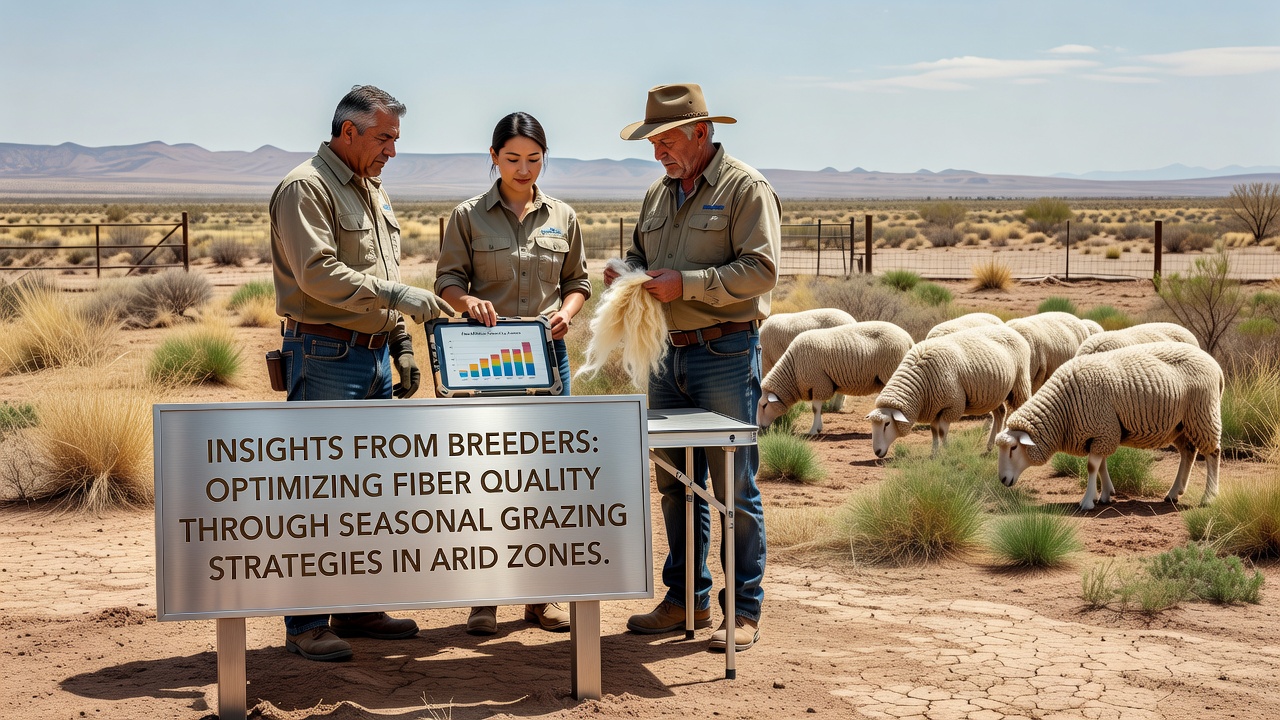
Arid zones present distinct challenges for fiber-producing livestock operations, where seasonal rainfall patterns dictate vegetation availability and nutritional profiles that directly influence wool or mohair characteristics such as fiber diameter, staple length, and tensile strength. Breeders in these regions coordinate grazing rotations with wet and dry periods to align animal nutrition with key growth phases of the fleece.
Seasonal Timing and Nutritional Alignment
Research indicates that spring grazing on emerging forbs and grasses supplies higher protein levels, which supports finer fiber development in young sheep while minimizing medullation rates that can occur under nutritional stress. Data from long-term monitoring programs show that animals moved to higher-quality pastures during this window produce wool with reduced average micron counts compared to those held on dormant range through the same months. Breeders adjust stocking densities as temperatures rise and water sources diminish, shifting herds toward areas with retained moisture that sustain leaf growth into early summer.
Autumn strategies focus on building reserves ahead of cooler months, when fiber growth slows but structural integrity remains critical. Observations from multiple arid-zone stations reveal that targeted supplementation combined with access to saltbush or other drought-tolerant shrubs maintains body condition without excessive fat deposition that might coarsen subsequent fleece. Those who study these systems note consistent improvements in yield per animal when rotations prevent overgrazing of preferred species during critical regrowth intervals.
Breeder Practices Across Regions
In the arid interior of Australia, producers implement cell grazing systems that divide large paddocks into smaller units, allowing recovery periods calibrated to local rainfall records. Australian Department of Agriculture reports document how these approaches correlate with measurable gains in wool processing performance, including lower noil percentages during combing. Similar patterns appear in South African Karoo operations, where breeders track vegetation indices to time movements between winter and summer ranges, preserving both soil stability and fiber quality metrics.
Further examples come from Patagonian steppe operations in Argentina, where seasonal migration between lower valleys and higher plateaus exploits brief periods of green-up. Studies compiled by regional agricultural institutes show that animals receiving peak nutrition during follicle activation phases exhibit improved crimp definition and reduced variability along the staple. Breeders share records indicating that fiber strength increases when grazing avoids the most extreme heat stress periods, which can otherwise trigger cortisol responses affecting keratin deposition.
Monitoring and Adjustment Methods
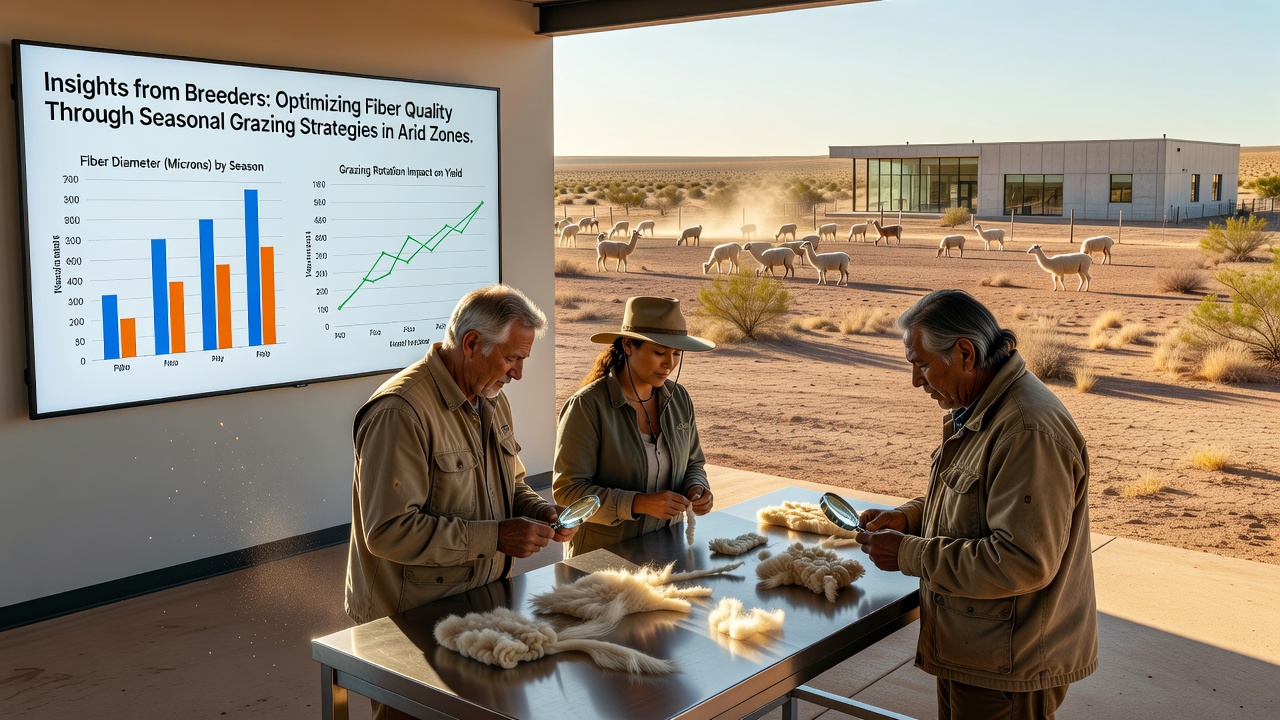
Modern arid-zone breeders combine traditional observation with soil moisture sensors and satellite-derived pasture maps to refine rotation schedules. Evidence from multi-year trials demonstrates that delaying entry into certain paddocks until after seed set protects future feed availability while still delivering adequate nutrition for fiber elongation. Those managing these systems record lower rates of weathered tip on wool when animals avoid prolonged exposure to dust-laden winds during dry spells.
September 2026 marks the scheduled release of updated regional grazing guidelines from several international research networks, incorporating fresh satellite datasets and on-farm fiber testing results collected through 2025. These forthcoming recommendations emphasize flexible triggers based on cumulative rainfall rather than fixed calendar dates, allowing quicker adaptation to shifting climate patterns observed in recent decades.
Environmental Interactions and Fiber Outcomes
Arid-zone vegetation communities respond rapidly to grazing pressure, and breeders track changes in species composition to anticipate impacts on animal diets. Data shows that maintaining a mix of grasses and shrubs supports balanced mineral intake, which in turn correlates with better dye uptake and scouring efficiency in processed fiber. Operations that integrate rest periods during peak drought phases report sustained ground cover levels that reduce erosion while preserving the microclimate benefits that stabilize fleece quality across seasons.
Case records from established breeding programs highlight how selective culling based on fleece measurements taken after each seasonal rotation accelerates genetic progress toward animals that thrive under variable forage conditions. These approaches integrate with broader land management goals, including carbon sequestration estimates tied to improved pasture recovery cycles.
Conclusion
Insights gathered from arid-zone breeders demonstrate that aligning seasonal grazing with plant growth cycles and animal physiological needs produces measurable enhancements in fiber quality parameters. Continued collection of on-farm data alongside remote sensing supports ongoing refinement of these strategies across diverse dryland environments.